
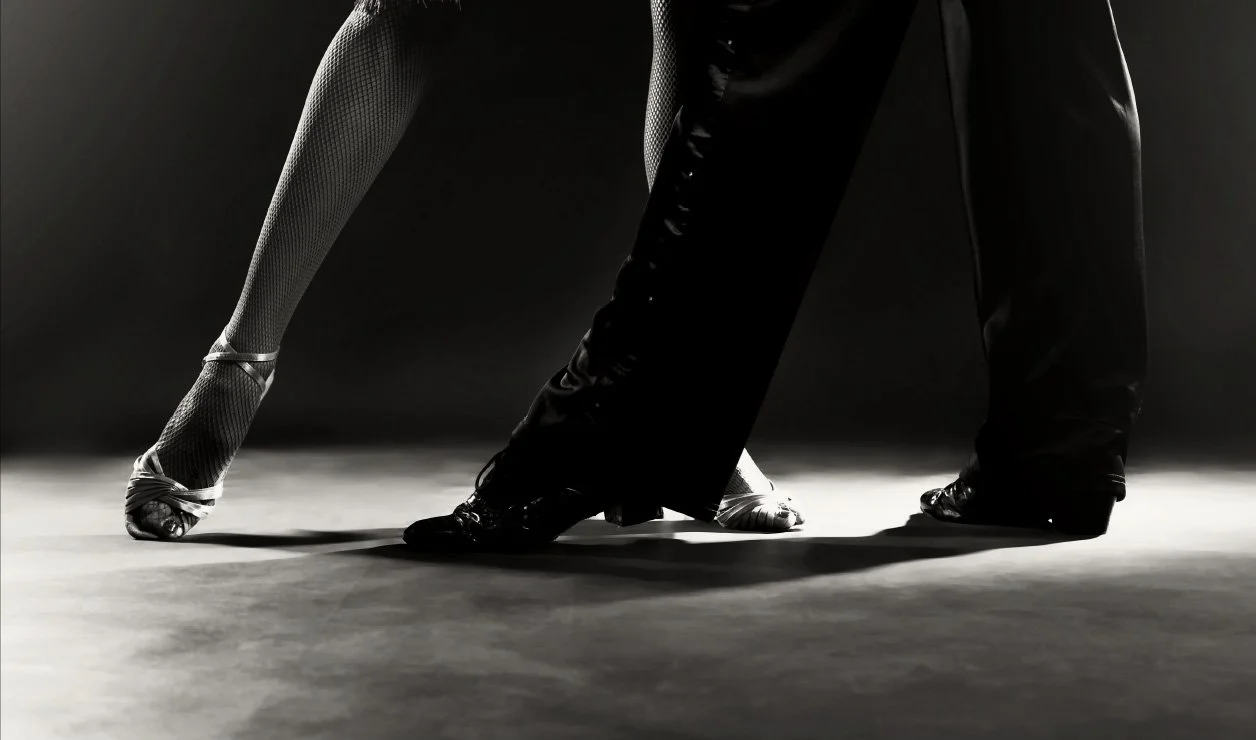


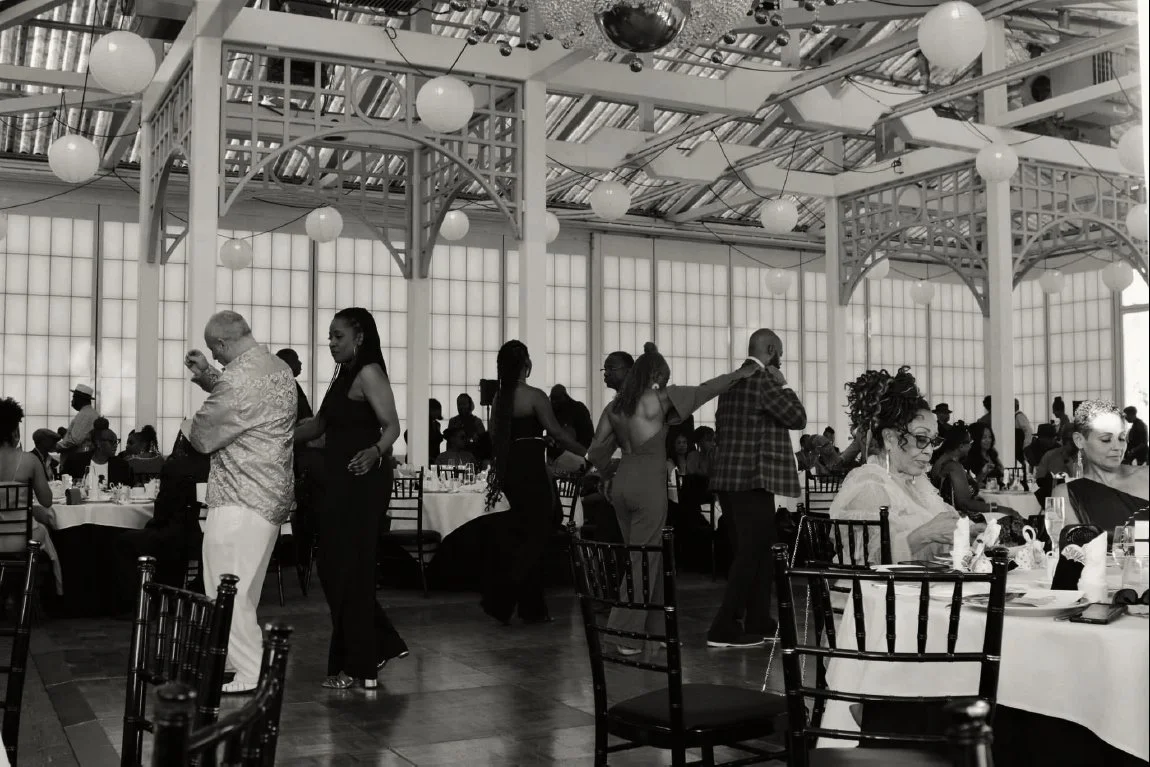
This event brings together the best of the best to showcase a variety of dance styles from districts such as Detroit, Chicago, Houston, Harlem, DC, and more.
These districts were places where our people created spaces to shop, earn a living, and express themselves through dance—because we weren’t always allowed in other spaces, we built our own. Our goal is not only to celebrate this rich cultural legacy but also to draw a crowd to support a greater cause: providing scholarships for our youth and passing on our history to the next generation.

Detroit Ballroom
|
Steppin
|
Swing
|
Detroit Ballroom | Steppin | Swing |
Dance Style Guidelines
These guidelines provides authentic dance-style descriptions, movement foundations, and competition expectations for each dance style featured in the Da Battle of Da Districts. Judges and competitors should use these guidelines to ensure fairness, authenticity, and respect for the dance cultures represented.
Competition Expectations
Couples may only compete in one dance style.
Semi-Finals: 3 couples on the floor/per style; two 1-minute 15-second songs (slow-to-mid, mid-to-fast); DJ’s choice from pre-approved list; top 6 couples advance.
Finals: One couple on the floor at a time (3 minutes max); music must be clean; couples dance same style as semi-finals; must remain true to style fundamentals.
Steppn: You must work the floor. Dance around the perimeter of the floor.
All Other Dance Styles: work the entire floor.
All Dance Styles: flips, dips, and turns are acceptable. Feet may also leave the floor.
-
Overview & Roots: Social partner dance made popular during the Motown era, evolved from the Social.
Musical Structure: Derived from the Blues originally. Smooth R&B; neo-soul, or jazzy tracks.
Rhythm & Timing: Cha cha cha, step back (4:4 timing).
Core Movement Vocabulary: Cha cha base pattern, pivot turns, and slides.
Lead/Follow Connection: Smooth, subtle weight shifts.
Stylistic Markers: Effortless glide, elegance, emotion, and control.
-
Overview & Roots: Born from the Bop, Steppin became the signature dance of Chicago’s soul community — refined, relaxed, and rhythmic.
Musical Structure: Motown and Stepper classics.
Rhythm & Timing: 6-count/8-count basic with triple steps and pauses. Lane movement.
Core Movement Vocabulary: Walks, quarter turns, spins, hand transitions, smooth pivots.
Lead/Follow Connection: Push and pulls with rhythmic pulse and clear communication.
Stylistic Markers: Clean steps and Chicago swagger.
-
Swing Dance / Hand Dance (D.C. Style), Swingout (Urban / Texas Style), Bop/Hop (Detroit, Chicago, Los Angeles), and Lindy Hop
Overview & Roots: The Lindy Hop originated in Harlem in the 1920s–30s. Joyful and improvisational, blending jazz with partner dance. Later evolving as it grew throughout the country, birthing our Urban Swing and Bop/Hop dances.
Musical Structure: R&B;, funk, soul, or jazz.
Rhythm & Timing: Triple-step, triple-step, rock-step.
Core Movement Vocabulary: Rolling turns, hand exchanges, body rolls, and syncopated steps.
Lead/Follow Connection: Continuous hand contact — the 'hand talk'. Elastic stretch-and-release with clear weight transfers.
Stylistic Markers: Fluid transitions, footwork, creativity, syncopation, and gentle bounce.
Competition Registration
Entry Deadline: May 31, 2026
A Weekend Passmust be purchased per dancer for contest entry.
Music MUST be emailed by June 13, 2026, to DNDDContest@gmail.com.
No USBs or CDs are acceptable.
No music after the deadline will be accepted.
No profanity in music and no offensive music.
Competition Schedule
Semi-Finals (Friday, June 19)
One Dance Style on the floor at a time
3 couples on the floor per Dance Style
Couples can only choose one style of dance
Two songs, 1 minute 15 seconds each
Slow to mid and then mid to fast tempo
Musical selections are DJ's choice (list of songs chosen by committee)
Top 6 couples with the highest scores move forward to the finals.
Finals (Saturday, June 20)
One couple on the floor at a time
3 mins on the floor
Music must have NO profanity and NO offensive or inappropriate language
Couples MUST dance the same Dance Style they danced for the semi-finals
Must stay within the guidelines of that style of dance
Judging Criteria
Criteria
A 50-point system with 10 points coming from each category.
Musicality-Timing, rhythm, and interpretation of the music.
Style Authenticity-Adherence to the traditional form and character of the chosen style.
Connection-Partnership, lead/follow clarity, and floor presence.
Execution & Technique: Footwork, posture, balance, smoothness.
Creativity & Expression: Musical play, originality, and personality.*
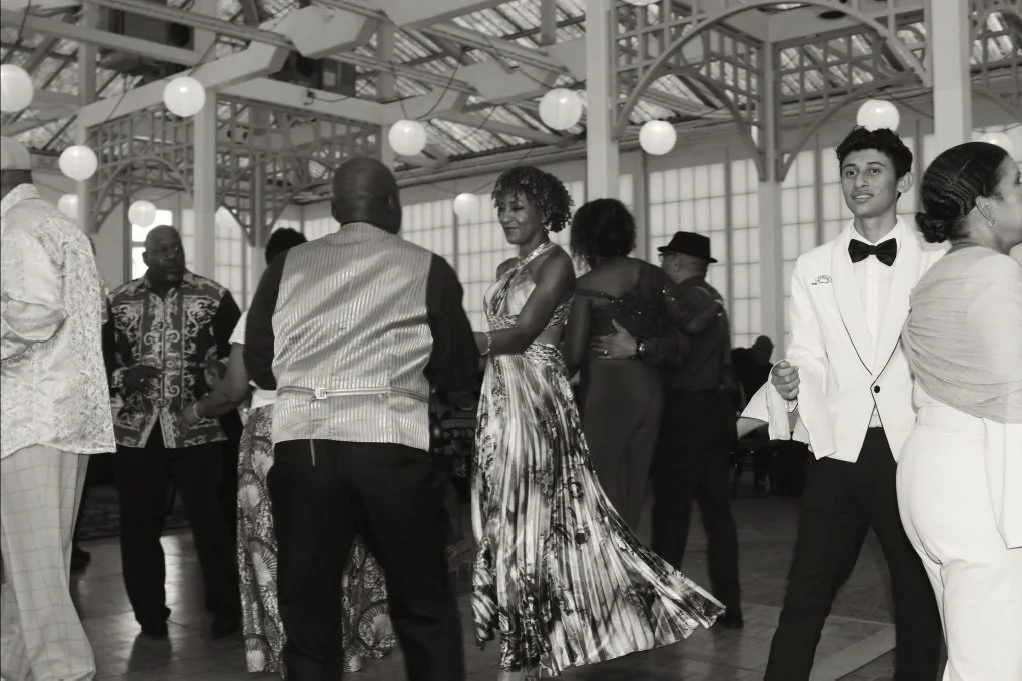
*Note: Dancers are encouraged to “dress to impress,” showcasing style and sophistication that elevates the performance for the Finals.